Moles & Lesions
Personalized Treatment Plans
Safe, scar-minimizing mole removal in London, Ontario. South London Mole Clinic offers expert cosmetic and medical mole removal by qualified professionals. Book your consultation today.
Mole Removal in London
Looking for professional mole removal in London, Ontario? South London Mole Clinic offers private mole checks and expert removal for both medical and cosmetic reasons. Our team carefully evaluates each mole to determine the safest, most effective treatment using surgical or minimally invasive techniques tailored to size, location, and type.
We also treat other skin lesions, including cysts, skin tags, warts, cherry angioma, age spots, lipoma, xanthelasma as well as offer ingrown toenails surgery, and knee and shoulder joint injections. All procedures are performed by fully trained Nurse Practitioners experienced in modern laser and skin surgery techniques, ensuring optimal healing and cosmetic results.
At a glance
Every lesion is assessed before anything is removed. If treatment is not the right answer, we will say so.
What Is a Mole?
A mole, medically known as a melanocytic nevus, is a common skin growth caused by clusters of pigment-producing cells (melanocytes). Moles can appear flat or raised, smooth or textured, and vary in colour from light brown to dark brown or black.
Most moles are benign and harmless, but some can change over time. Changes in size, shape, colour, or sensation may require professional assessment, as certain changes can be associated with skin cancer, including melanoma.
Because it can be difficult to distinguish harmless moles from concerning ones without training and tools, professional evaluation is recommended for any mole that is new, changing, or causing concern.
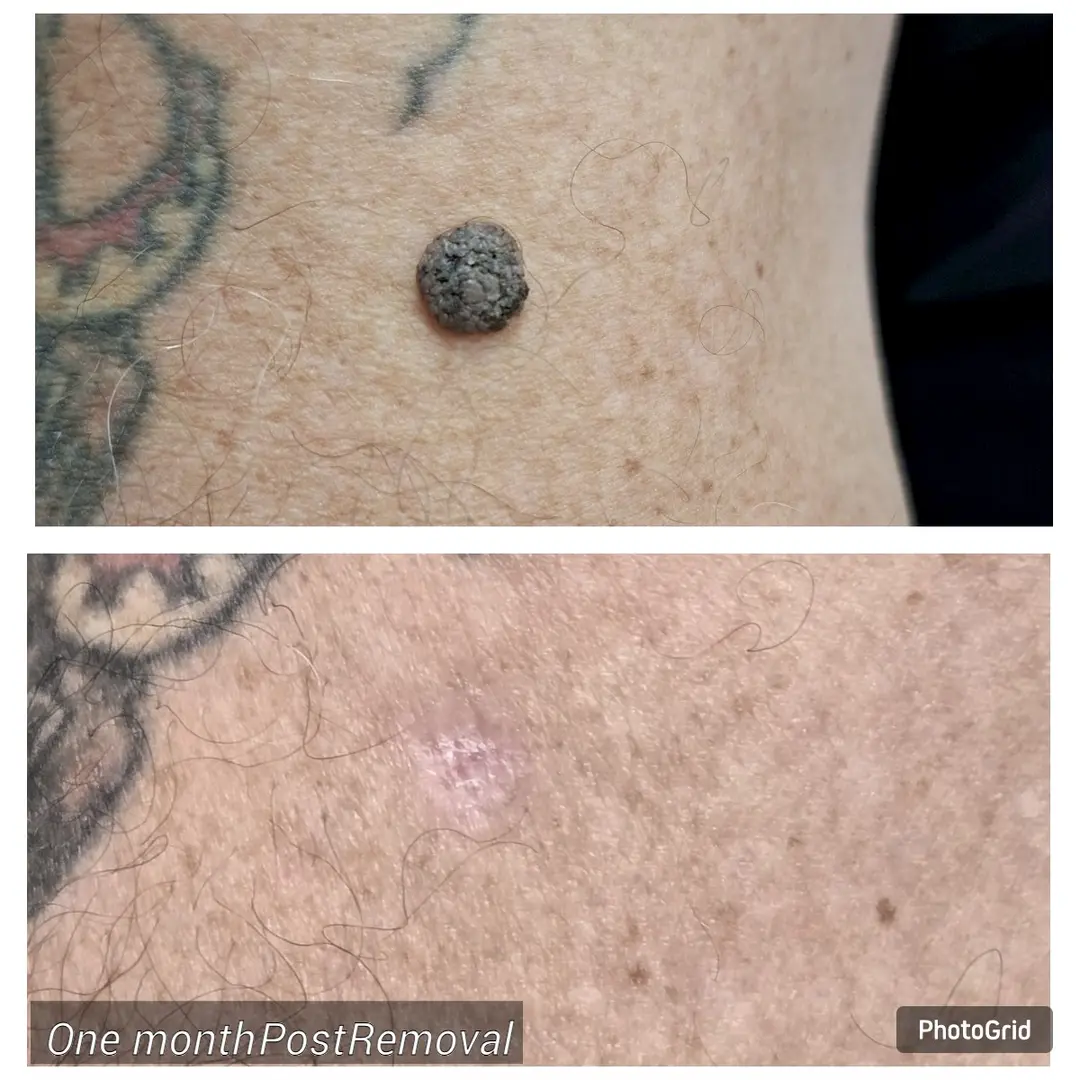
Before & After
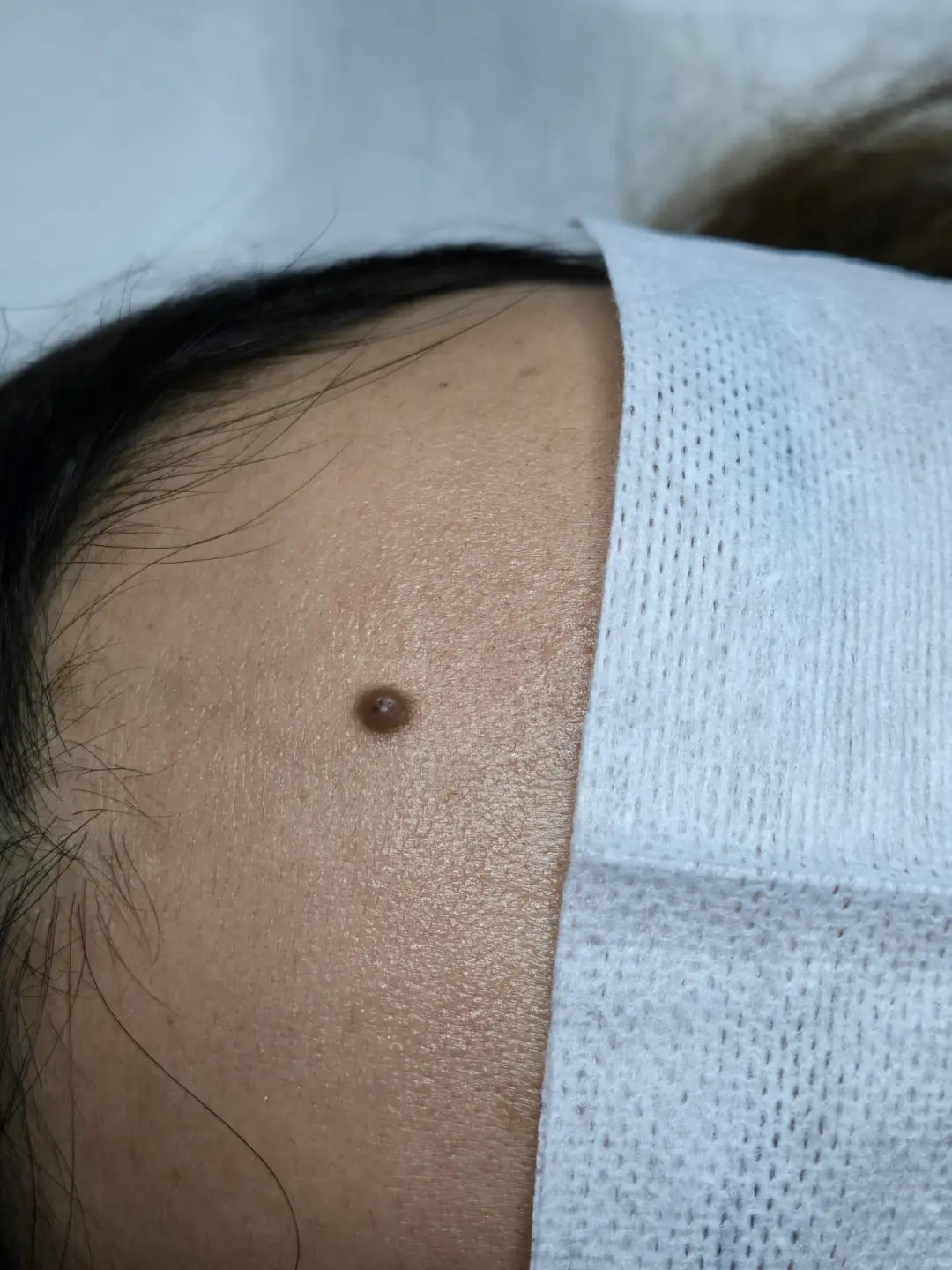 before
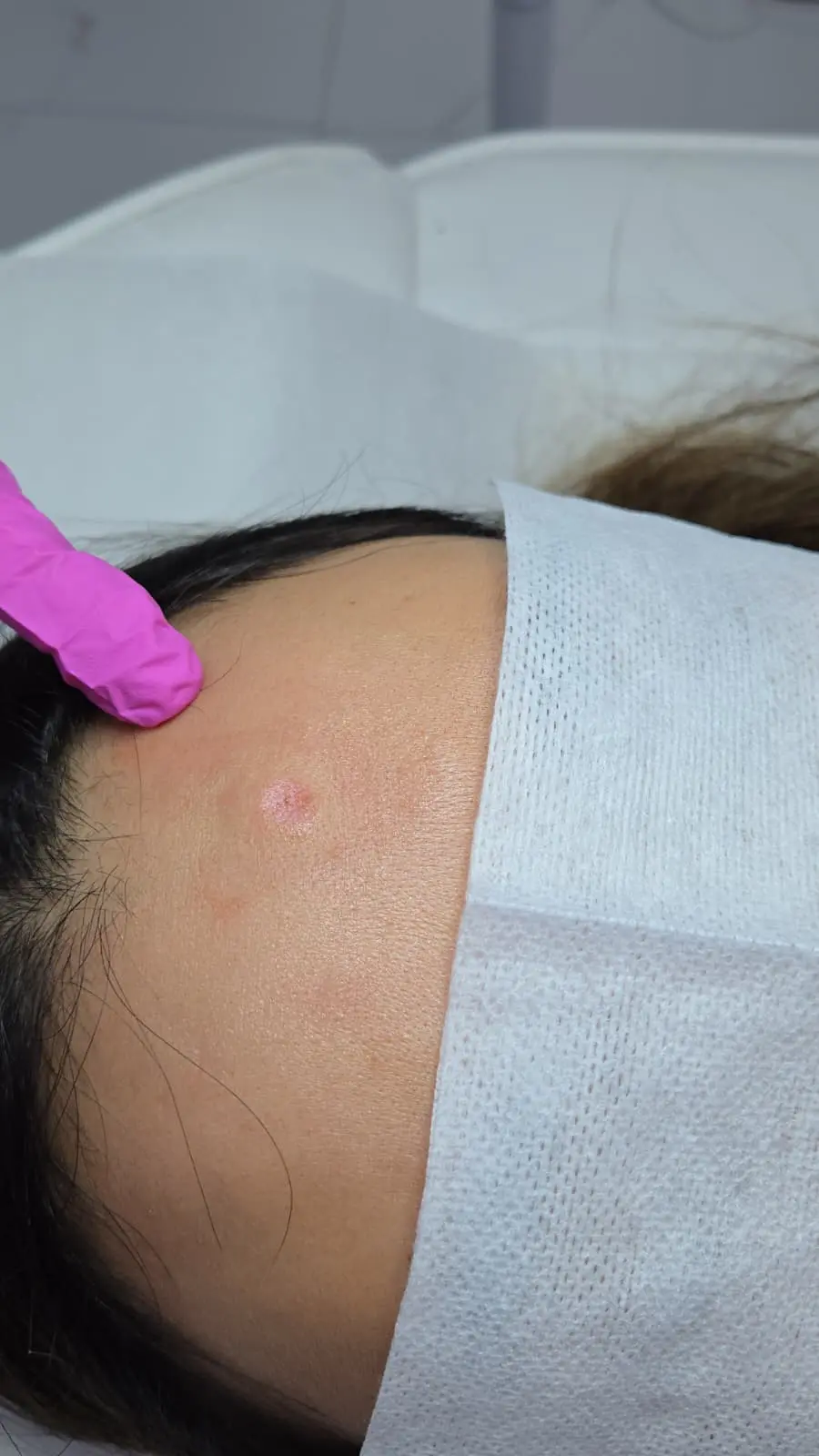 after
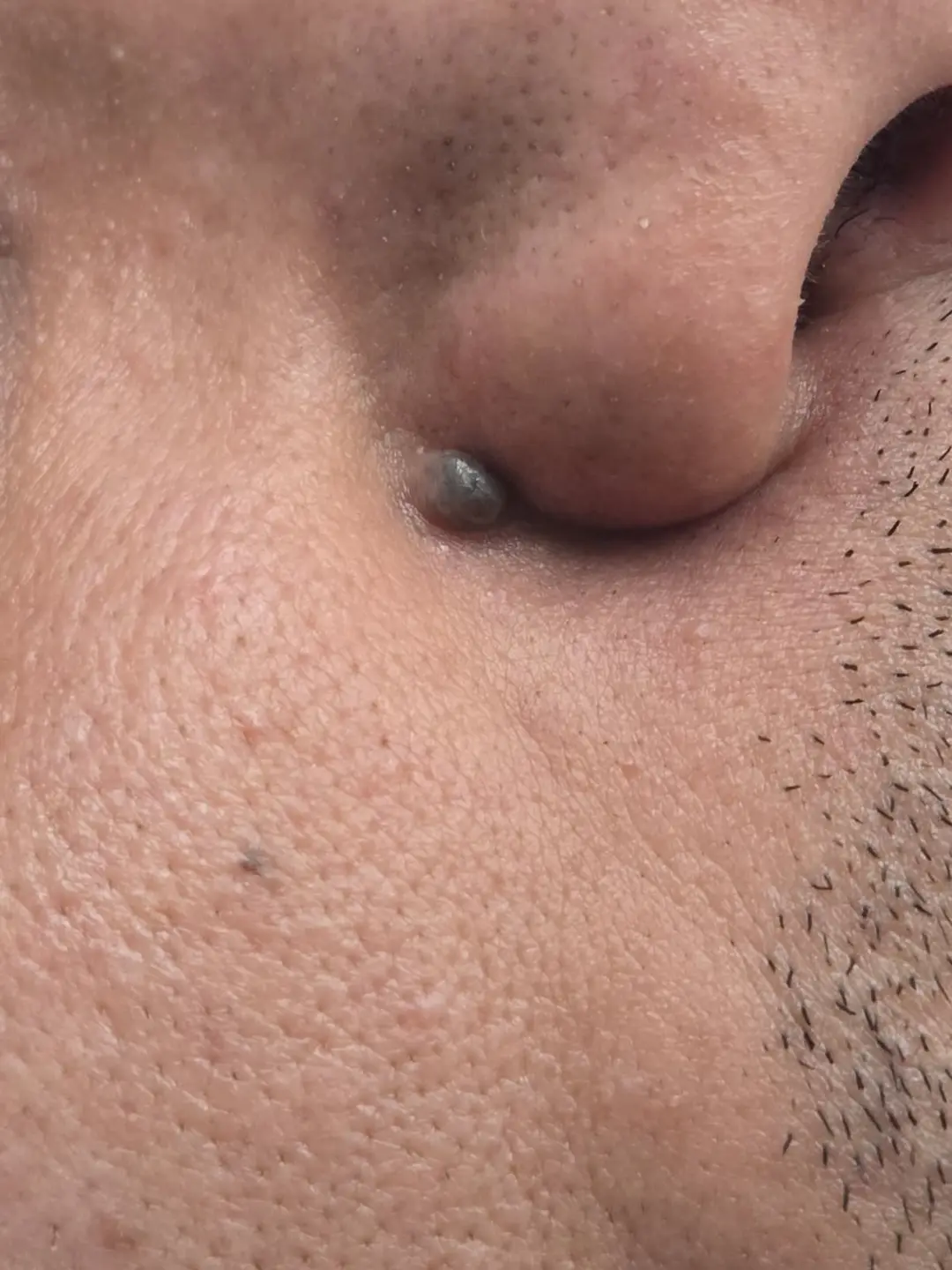 before
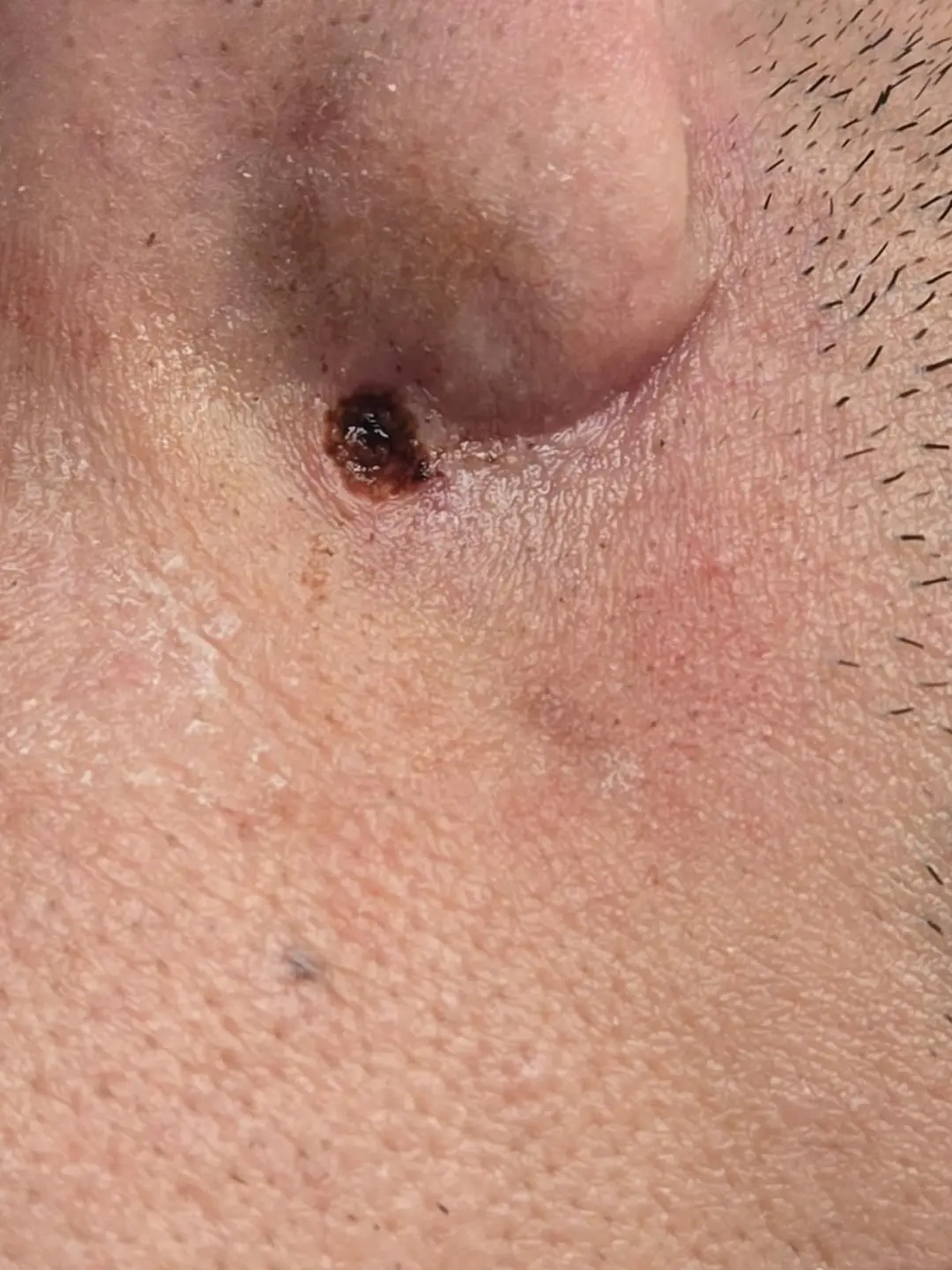 after
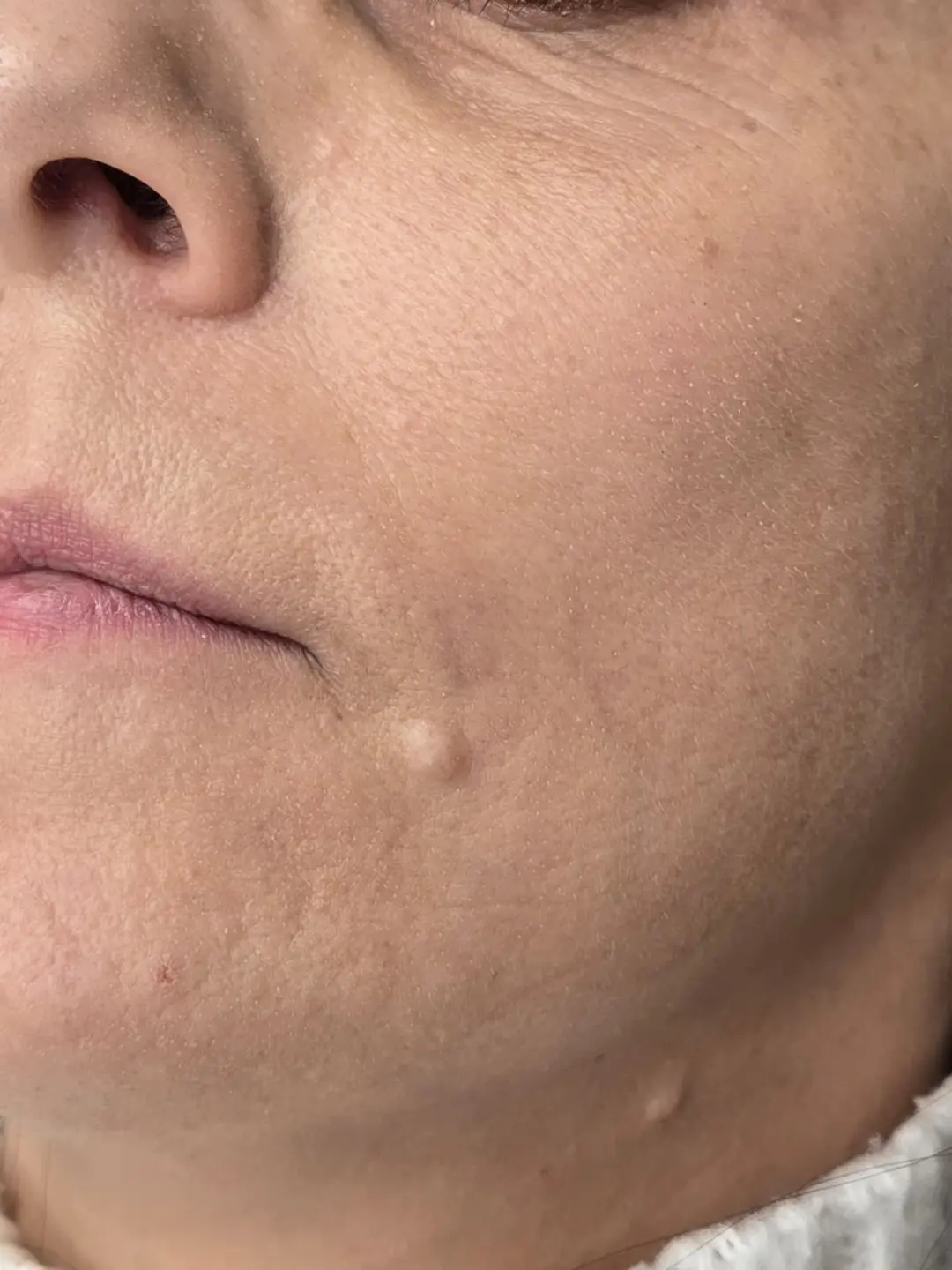 before
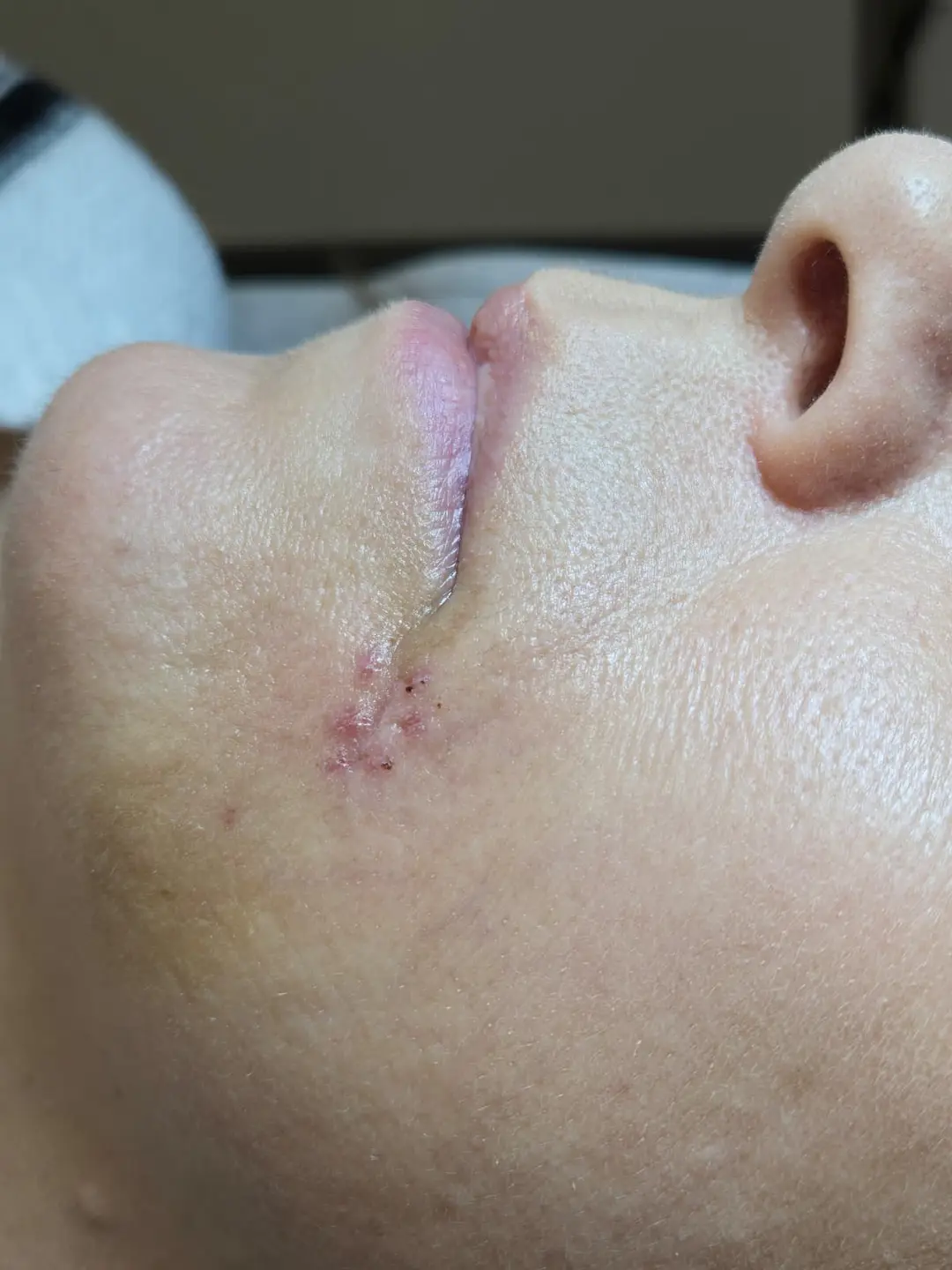 after
Common Areas Treated
Face
Neck
Back
Chest
Arms & legs
Scalp
Eyelids & ears
Why Professional Mole Assessment Matters
Seeking professional care for mole removal helps ensure:
Accurate diagnosis before removal
Appropriate technique based on medical need
Reduced risk of incomplete removal or recurrence
Clear guidance on next steps if further investigation is needed
If you are looking for safe, professional mole removal in London, Ontario, a proper assessment is the first and most important step.
Types of Mole Removal
Seborrheic Keratosis
Harmless, waxy or “stuck-on” skin growths that appear with age.
Skin Tags (Acrochordons)
small, soft, benign growths often found on neck, armpits, or eyelids.
Milia
Tiny, white cysts usually on the face caused by trapped keratin.
Warts
Rough, raised skin growths caused by human papillomavirus (HPV).
Verruca (Plantar Warts)
hard, thickened growths on the feet.
Lipoma
soft, fatty lumps beneath the skin, usually harmless.
Xanthelasma
yellowish, cholesterol-rich deposits often around the eyelids.
Dermatofibroma
small, firm nodules that commonly appear on the legs.
Cherry Angioma
bright red or purple benign blood vessel growths.
Actinic Keratosis
Rough, scaly patches caused by sun damage, with potential for malignancy.
Dysplastic (Atypical) Moles
irregular moles that may need monitoring or removal.
Congenital Moles
moles present from birth, sometimes removed for cosmetic or medical reasons.
Flat Moles
smooth moles level with the skin surface.
Raised Moles
moles that protrude above the skin, often causing irritation or cosmetic concern.
Cherry Hemangiomas
small, benign red spots caused by clusters of capillaries.
Keratoacanthoma
rapidly growing dome-shaped bumps that resemble squamous cell carcinoma.
Lentigines (Age Spots)
flat, brown patches caused by sun exposure or aging.
Dermal Nevus
mole located deeper within the skin, often skin-colored or brown.
Epidermoid Cysts
slow-growing lumps under the skin, often filled with keratin.
Sebaceous Hyperplasia
small, yellowish bumps from enlarged oil glands.
Benefits
Enhanced skin appearance and confidence
Comfortable, in-clinic experience
Clinically proven techniques
Fast, professional service
Pathology and follow-up options available
Should You Remove a Mole?
It’s cosmetically unappealing
It’s irritated by clothing or shaving
You notice changes in shape, size, color, or texture
It’s located in a high-friction area
You want peace of mind via pathology testing
Not sure where to start?
Book a consultation and we will assess it properly before recommending anything.
Why patients choose us for Mole Removal
Performed by Qualified Professionals
Our procedures are led by experienced nurse practitioners and physicians trained in dermatologic and cosmetic skin surgery.
State-of-the-Art Techniques
We utilize the latest in minor surgical and laser-assisted methods, ensuring optimal outcomes with minimal downtime.
Scar-Minimizing Results
Every removal is performed with precision and care, aiming for natural results and minimal scarring.
Personalized Treatment Plans
From benign moles to cosmetic enhancements, we offer tailored options for your specific skin type and aesthetic goals.
Mole Removal Process
- 1
In-Clinic Consultation
We assess your mole’s type, location, and characteristics. You’ll receive a complete overview of treatment options, pricing, and aftercare.
- 2
Mole Removal Procedure
Depending on your needs, one of the following methods may be used:
1. Shave Excision
Ideal for raised moles. The mole is gently shaved down with a surgical blade. No stitches required. Minimal scarring.2. Excision with Sutures
Best for flat or larger moles. The mole is excised along with a margin of skin. Closed with sutures for better healing. Sent to lab for pathology if needed.3. Electrocautery
Uses a controlled electrical current to remove superficial moles or skin tags, often used to stop bleeding post-removal.4. Laser Mole Removal (for select cases)
Non-invasive option for superficial, flat, or cosmetic moles using laser energy to break down pigment.
What to expect
Duration
30–45 minutes per session
Anesthetic
Local freezing for a pain-free experience
Downtime
Minimal. Resume daily activity the same or next day
Aftercare
Avoid direct sun, follow wound care, and return for follow-up if needed
Pathology Testing
Available for suspicious lesions upon request
Frequently asked questions
What methods are used for mole removal?
They offer precise removal using excision or shave techniques performed under local anesthesia by medical professionals.
Is mole removal safe, and does it require stitches?
Yes, it’s safe. Excision often requires stitches; shave removal usually doesn’t, depending on the mole’s depth.
How long does it take to heal after mole removal?
Healing typically takes 1–2 weeks, depending on the method used and aftercare measures.
Are mole removal tissues sent for lab analysis?
Yes, excised tissue is generally sent for pathology to confirm it is benign.
Where can I get mole removal in London, Ontario?
South London Mole Clinic in London, Ontario offers expert mole removal services performed by trained clinicians.
Next step
Ask us about Mole Removal
Send a note and the clinic will come back to you, or call and speak to someone now.
561 Southdale Rd E, Unit 10
London, ON N6E 3M2
Related treatments
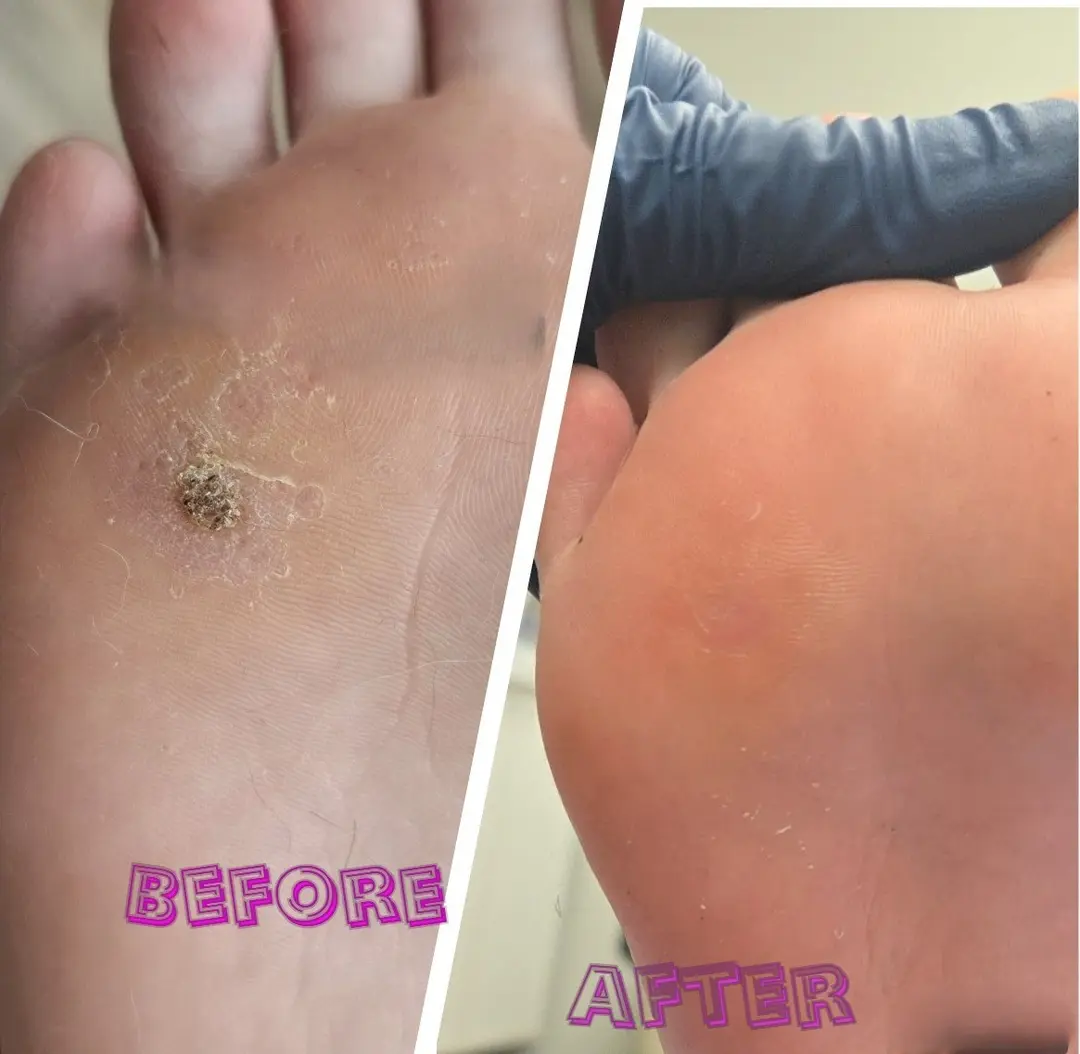 Wart Removal in London, OntarioSafe, effective wart removal in London, Ontario. South London Mole Clinic offers advanced laser, cryotherapy & radiofrequency treatments for smooth, healthy skin. Book now!Learn more
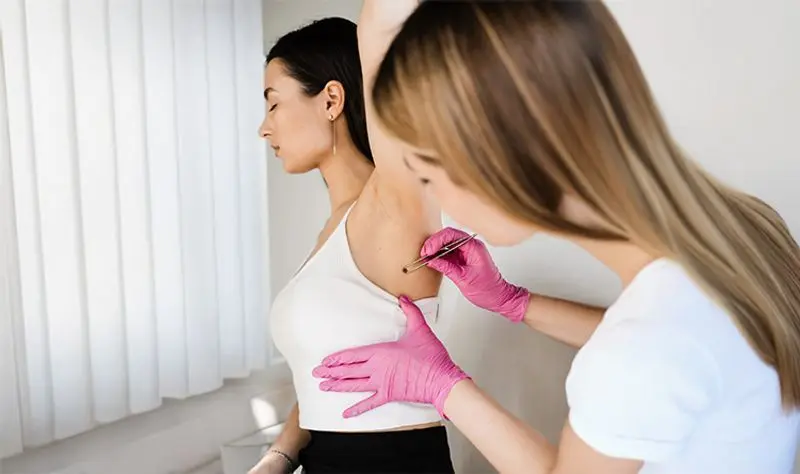 Lipoma Mass RemovalLooking for safe and effective skin tag or mole removal in London, Ontario? South London Mole Clinic offers expert care with advanced techniques like cryotherapy, shave removal, laser, and more. Book a consultation today.Learn more
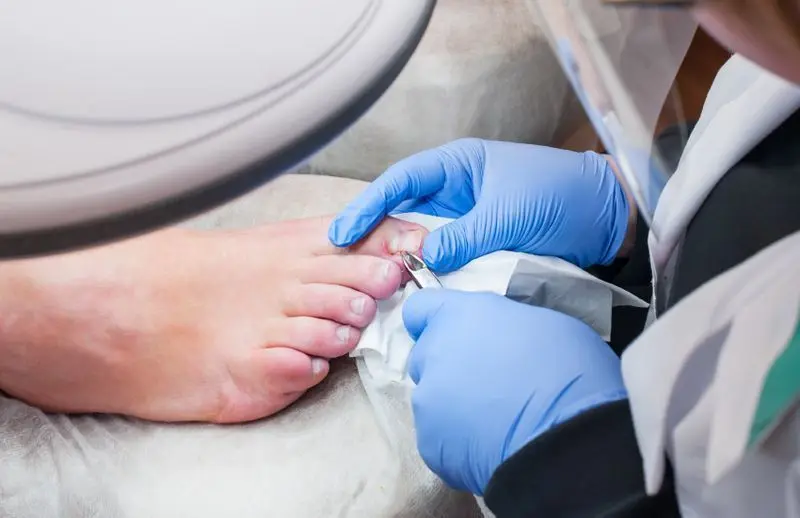 Ingrown Toenail SurgeryPermanent ingrown toenail removal in London, Ontario. South London Mole Clinic offers the Vandenbos Procedure for long-term relief, no recurrences, and natural nail preservation.Learn more
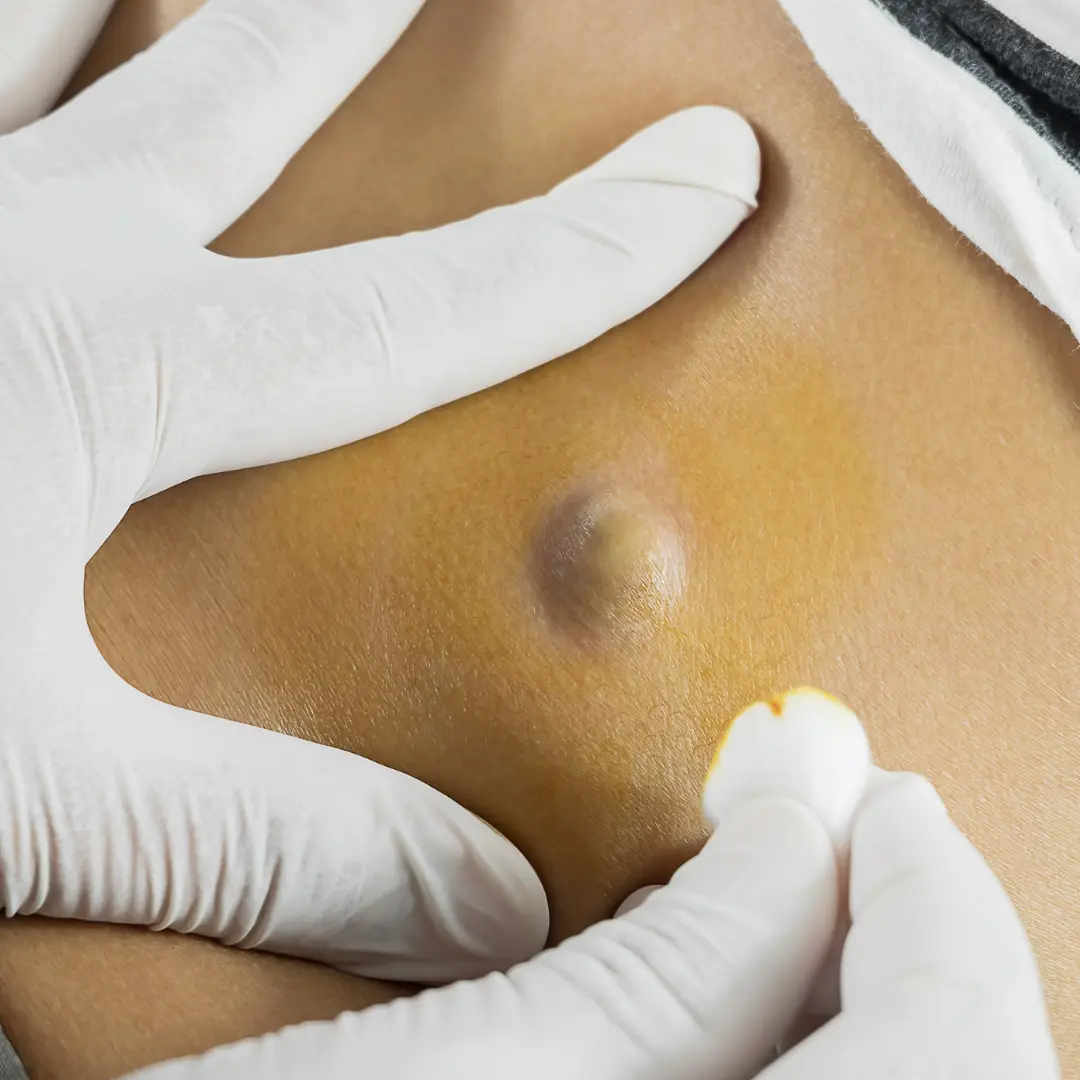 Cyst Removal in LondonSafe, professional cyst removal in London, Ontario. South London Mole Clinic treats sebaceous, epidermoid & pilar cysts using minimally invasive techniques. Book today!Learn more